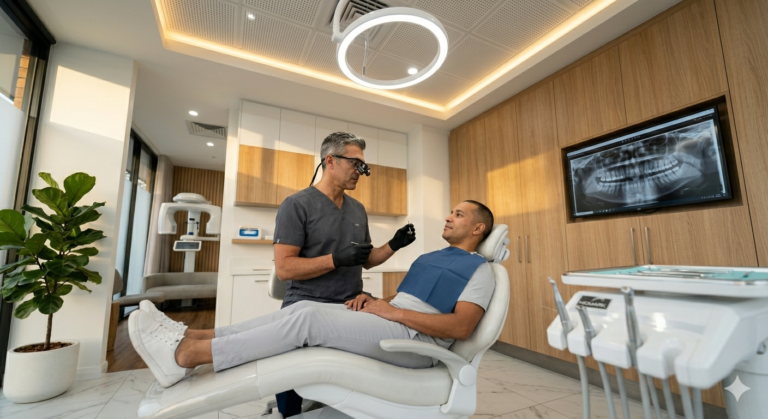
Importance of Pediatric Dental Care Lancaster CA: Gentle, Expert Guidance for Growing Smiles
You will find practical steps to protect your child’s smile and navigate pediatric dental care in Lancaster, CA. Early, regular dental visits and simple preventive care make the biggest difference in avoiding cavities, anxiety, and future dental problems.
The local dental community focuses on gentle, family-centered care that helps children feel safe while building healthy habits. Expect clear guidance on visits, preventive treatments, common concerns like cavities or thumb-sucking, and options for children with special needs.
This article explains why starting early matters, how to create routines that stick, and how to partner with a Lancaster dentist for ongoing support—so families can keep kids smiling confidently for years to come.
Why Early Dental Visits Matter for Children in Lancaster
Early visits let dentists spot problems before they worsen. A simple check at the first birthday or when the first tooth appears helps identify decay, alignment issues, or risk factors specific to Lancaster’s community and environment.
They build positive habits and reduce fear. Friendly, short appointments teach children what to expect, making future care less stressful and increasing cooperation for treatments when needed.
Preventive care saves time and money. Fluoride treatments, sealants, and guidance on diet and brushing lower the chance of cavities that require fillings or extractions later on.
Regular visits support overall health. Dentists screen for signs of developmental concerns, oral infections, and conditions that relate to general well-being, coordinating with pediatricians when necessary.
Parents receive practical, local advice. Clinicians explain how Lancaster’s water fluoridation, school lunch options, and seasonal challenges affect oral health, and they offer tailored tips for home care.
A warm, child-centered office and modern, minimally invasive options make treatments easier. Early trust and professional guidance encourage lifelong healthy habits and reduce the need for complex procedures.
They should call or ask their child’s dentist about scheduling the first visit and any questions about comfort, prevention, or treatment options.
Building Healthy Oral Habits From a Young Age
Early habits shape lifelong dental health. Parents and caregivers can create simple, consistent routines and food choices that reduce cavities and make dental visits easier for children.
Daily Brushing and Flossing Routines
Caregivers should start cleaning an infant’s gums with a soft cloth after feedings and introduce a soft-bristled toothbrush by the eruption of the first tooth. Use a smear of fluoride toothpaste (about the size of a grain of rice) for children under 3, and a pea-sized amount after age 3. Brush twice daily for two minutes each time, covering all tooth surfaces with gentle, circular motions.
Supervise brushing until a child can reliably spit and use a toothbrush with proper technique, usually around ages 6–8. Introduce flossing as soon as teeth touch; a daily floss pick or waxed floss helps remove plaque between teeth where brushes can’t reach. Make routines predictable—same times each day—and use timers, songs, or an electric toothbrush with a two-minute timer to build consistency.
Limiting Sugary Foods and Drinks
Reduce frequent exposure to sugar by limiting juice, sports drinks, and sticky snacks that cling to teeth. Offer water or milk instead of soda and serve sugary treats with meals rather than as constant snacks; saliva production during meals helps neutralize acids and clear food particles.
Watch hidden sugars in flavored yogurts, granola bars, and sauces, and read labels for added sugars. Encourage crunchy fruits and vegetables like apples and carrots as tooth-friendly snacks. For infants, avoid putting babies to sleep with bottles containing anything but water to prevent prolonged sugar exposure on developing teeth.
Common Pediatric Dental Concerns
This section highlights the most frequent issues parents face: preventing cavities, managing dental fear, and spotting early orthodontic needs. Each topic focuses on practical steps parents can take and what to expect from a pediatric dentist in Lancaster, CA.
Cavity Prevention in Kids
Cavities develop when plaque bacteria feed on sugars and produce acid that erodes enamel. Parents should supervise twice-daily brushing with a smear of fluoride toothpaste for under-3s and a pea-sized amount for ages 3–6.
Regular flossing once contacts form between teeth prevents interproximal decay. Limit sugary drinks and sticky snacks; replace juice and soda with water or milk and offer fresh fruit instead of candy.
Professional fluoride varnish every 3–6 months strengthens enamel and reduces decay risk. Dental sealants on molars provide a physical barrier against food and bacteria in deep grooves. A pediatric dentist in Lancaster typically assesses diet, applies varnish or sealants, and creates a recall schedule based on each child’s risk.
Dealing With Dental Anxiety
Children often fear needles, drills, or unfamiliar environments; acknowledging that fear helps reduce resistance. Employ distraction techniques like storytelling, music, or television during treatment to shift attention away from the procedure.
Tell-show-do remains the most effective behavior guidance: explain the step, demonstrate with a mirror or model, then perform the treatment calmly. Positive reinforcement—stickers, praise, or a small reward—builds trust and encourages cooperation.
For higher anxiety levels, dentists may offer nitrous oxide (laughing gas) or mild oral sedation, both commonly used and safe under pediatric protocols. Sedation decisions depend on medical history, procedure complexity, and parent consent. The Lancaster pediatric team will review risks, benefits, and recovery instructions before any sedative option.
Recognizing Orthodontic Needs
Early signs of orthodontic issues include persistent thumb-sucking after age 4, crowded or missing teeth, difficulty chewing, and frequent mouth breathing. Parents should watch for asymmetric jaw growth or a child complaining of jaw pain or headaches.
An initial orthodontic screening around age 7 allows detection of crossbites, severe crowding, and abnormal eruption patterns. Early interceptive treatment can guide jaw growth, create space for permanent teeth, and sometimes reduce the duration or complexity of later braces.
A pediatric dentist in Lancaster will evaluate bite relationships, take diagnostic X-rays if needed, and refer to a pediatric orthodontist for growth-modifying appliances when appropriate. They will explain timing, estimate treatment length, and discuss options such as expanders, partial braces, or habit appliances to address specific problems.
If questions arise or a child shows any of these signs, parents are encouraged to schedule an evaluation with their local pediatric dental provider.
Family-Centered Dental Offices in Lancaster
Family-centered practices focus on making dental visits predictable, comfortable, and educational for children and their parents. They combine calming office design, staff trained in pediatric behavior guidance, and scheduling that accommodates school and work routines.
Comfortable and Child-Friendly Environments
Children respond better to dental care when the office feels welcoming and nonthreatening. Many Lancaster offices use bright but soothing colors, low waiting-room noise, and separate pediatric play areas stocked with age-appropriate toys and books. Treatment rooms often include child-sized furniture, colorful wall art, and distraction tools such as ceiling-mounted cartoons or tablets with approved apps to reduce anxiety during procedures.
Safety and infection control remain visible without being intimidating. Staff explain instruments in simple, concrete terms and show equipment on a doll or model first. Offices typically offer sensory accommodations—noise-reducing headphones, weighted blankets, or dimmed lighting—for children with sensory sensitivities or autism spectrum needs.
Practical logistics matter: extended appointment times for first visits, early-morning or late-afternoon slots to avoid school disruption, and clear parking access for strollers and caregivers. These small but specific choices help families feel respected and make it easier for children to accept routine checkups and treatments.
Special Training for Pediatric Dentists
Pediatric dentists complete two to three additional years of residency training after dental school focused on child growth, behavior management, and conditions unique to pediatric patients. That specialized training covers topics such as early childhood caries, dental development milestones, pulp therapy for primary teeth, and techniques for managing anxious or uncooperative children without relying on unnecessary medication.
Clinicians also gain expertise in working with medically complex kids—those with congenital heart conditions, immunodeficiencies, or developmental delays—so they can coordinate care with pediatricians and specialists. Many Lancaster practices list board certification or memberships in pediatric dental associations on their websites, which signals ongoing education.
Parents benefit from this expertise through tailored preventive plans: fluoride recommendations by age, dietary counseling for toddlers, eruption-monitoring schedules, and sealant placement timing. The dentist and team explain options in plain language, offer demos for at-home care, and provide written follow-up steps so families understand exactly what to do between visits.
Role of Preventive Treatments
Preventive care reduces the chance of cavities and infections and keeps visits short and comfortable. Simple in-office measures and routine visits together protect enamel, guide growth, and catch problems early.
Dental Sealants and Fluoride Applications
Dental sealants are thin, protective coatings painted onto the chewing surfaces of molars and premolars. A hygienist cleans and dries the tooth, applies the sealant, then cures it with a light; the process takes about 5–10 minutes per tooth and usually requires no drilling or anesthesia.
Sealants block deep grooves where food and bacteria collect, cutting decay risk by up to 80% on treated surfaces when maintained. Fluoride varnish or gel complements sealants by strengthening enamel through topical fluoride ions that remineralize early lesions. Typical fluoride varnish appointments last a few minutes and can be applied during a regular cleaning.
Candidates include children as soon as molars erupt (usually around 6 and 12 years). Insurance often covers sealants for kids; caregivers should ask about coverage and schedule sealant placement soon after molar eruption. Maintain sealants with check-ups and report any chips or wear.
Routine Check-Ups and Cleanings
Routine check-ups usually occur every six months but may be more frequent for children with higher cavity risk or orthodontic appliances. Exams include a clinical inspection, bite and growth assessment, and X-rays as indicated to detect hidden decay or developmental issues.
Professional cleanings remove plaque and tartar above and below the gumline, reducing inflammation and halitosis. Hygienists polish teeth, apply fluoride when appropriate, and coach caregivers on brushing technique, flossing for emerging contacts, and diet adjustments to lower sugar exposure.
Regular visits let the dental team monitor eruption patterns, screen for early orthodontic signs, and apply preventive measures like space maintainers or growth guidance when needed. Scheduling visits before starting school years or sports seasons helps ensure protective treatments and individualized prevention plans are in place.
Supporting Kids With Special Dental Health Needs
Children with developmental, medical, or sensory challenges often need tailored dental care. Dentists in Lancaster, CA, work with families to create individualized plans that prioritize comfort and safety.
Care teams coordinate with pediatricians, therapists, and schools to address medical histories, medications, and behavioral strategies. This collaboration reduces surprises and helps the child feel more secure during visits.
Many offices offer sensory-friendly appointments, quiet rooms, and gradual desensitization visits to build trust. Staff trained in communication techniques use simple language, visual schedules, and positive reinforcement to ease anxiety.
When necessary, dentists provide specialized treatments like modified hygiene instructions, custom fluoride applications, or restorative work under sedation. They explain options clearly, including risks and benefits, so families can make informed choices.
Insurance and billing can be confusing for special-needs care. Clinics in Lancaster often assist with prior authorizations, Medicaid/CHIP guidance, and connecting families to community resources.
Quick checklist for parents:
- Bring medical records and current meds.
- Share behavioral strategies that work at home or school.
- Ask about sensory-friendly scheduling and preparatory visits.
- Discuss sedation or hospital-based care if routine treatment isn’t possible.
If a child shows fear or has complex medical needs, families should consult a pediatric dentist experienced in special-needs care. A phone call or visit can clarify next steps and make dental health more manageable for both child and caregiver.
Partnering With Your Dentist for Ongoing Care
Families should view their pediatric dentist as a partner in the child’s oral health. Regular visits create a team approach where the dentist, parents, and child share goals like preventing cavities and building good habits.
The dentist will recommend a personalized schedule for checkups and cleanings based on the child’s age, risk factors, and dental development. These visits also provide opportunities for fluoride treatments, sealants, and targeted advice to reduce future problems.
Parents should communicate openly about diet, oral hygiene at home, and any concerns about pain, behavior, or tooth alignment. Honest updates let the dentist adjust care plans quickly and offer solutions that fit the family’s routine.
Use appointment visits to learn practical skills: proper brushing and flossing techniques, safe snacking choices, and what to expect as baby teeth fall out. The office can demonstrate methods and supply resources to reinforce habits between visits.
Keep a simple record of dental appointments, treatments, and any orthodontic referrals. A short checklist helps families track progress and share accurate information if they switch providers.
If anxiety or sensitivity arises, the dental team can suggest comfort measures and gradual acclimation strategies. They often offer child-friendly explanations, distraction techniques, or sedation options when appropriate.
Encourage parents to ask questions and schedule follow-ups when something changes. A quick call or message can prevent small issues from becoming larger ones and keeps care consistent.
Call the Lancaster pediatric dental office to discuss next steps, schedule a routine checkup, or get personalized prevention tips.
Steps for Easy Appointment Scheduling in Lancaster
They can start by checking the dental office website for online booking. Many Lancaster pediatric practices display available times, dentist profiles, and new-patient forms so parents can book and prepare in one visit.
Call options remain helpful for quick questions or special requests. A friendly receptionist can confirm insurance details, suggest appointment lengths, and note behavioral needs like extra time for anxious children.
Prepare basic information before booking to speed the process. Have the child’s full name, birthdate, insurance ID, and a brief medical history ready; this prevents delays and ensures accurate records.
Use appointment reminders and confirm via text or email when offered. Automated reminders reduce no-shows and allow easy rescheduling when plans change.
Ask about flexible scheduling for school-aged children. Evening or weekend slots, or shorter “check-up only” visits, help families avoid missing work or school.
Keep an emergency contact plan on file. Knowing the clinic’s after-hours policy and how to reach the on-call dentist provides reassurance if urgent issues arise.
Consider a practice that offers virtual pre-visit chats. A short video call helps the child meet the dentist, easing nerves and making the in-office visit smoother.
They should call or message the chosen Lancaster office today to ask about new-patient specials, scheduling windows, and what to expect at the first appointment.
Encouraging Lifelong Smiles in Our Community
The clinic partners with local schools and community centers to bring dental education where families already gather. Short, friendly workshops teach brushing techniques, the importance of fluoride, and what to expect during a child’s first dental visit.
They offer preventive programs tailored to children’s ages, including sealants and routine cleanings to reduce cavities. These simple interventions save discomfort and future costs, and they fit into busy family schedules.
Staff members create a welcoming, calm environment so children feel safe and parents feel confident. Offering evening and weekend appointments helps families maintain consistent care without disrupting work or school.
A community outreach table lists practical tips and resources:
- Brushing: twice daily with a pea-sized fluoride toothpaste
- Flossing: start when teeth touch
- Visit frequency: every six months, or as recommended
They also provide referrals to pediatric specialists when needed and explain treatment options in plain language. Families receive follow-up reminders and easy-to-understand care instructions after each visit.
Encouraging lifelong oral health combines prevention, education, and accessible care. Parents and caregivers who have questions or want to schedule a visit are invited to contact the practice for a friendly consultation.
Frequently Asked Questions
This section answers common concerns about timing of visits, cavity prevention, daily care routines, diet choices, dental anxiety, and protective treatments for children in Lancaster, CA. It gives specific age guidelines, practical steps parents can use at home, and what to expect during pediatric dental visits.
At what age should my child have their first dental visit, and why does it matter?
A child should see a dentist by their first birthday or within six months of the first tooth erupting. Early visits let the dentist check tooth development, spot early decay, and advise on feeding, cleaning, and teething.
Early appointments also establish a dental home and familiarize the child with the office surroundings. That reduces fear and makes future care smoother.
How can early dental visits help prevent cavities and bigger problems later on?
Dentists perform risk assessments to identify decay-prone children and recommend tailored prevention. They provide fluoride varnish when appropriate and teach parents how to reduce bottle or sippy-cup decay.
Regular check-ups catch small problems before they require fillings or extractions. They also track bite and jaw growth so orthodontic issues can be addressed early if needed.
What are the best daily brushing and flossing habits for kids at different ages?
For infants, wipe gums with a clean, damp cloth after feedings and start brushing with a rice-grain-sized smear of fluoride toothpaste when the first tooth appears. From age 2, increase to a pea-sized amount and brush twice daily with parental supervision.
Children usually need adult help brushing until about age 7–8, when they can manage technique and two minutes of brushing. Begin flossing once teeth touch each other, often between ages 2–6, and parents should floss for the child until they develop good dexterity.
Which foods and drinks are most likely to cause cavities in children, and what are better swaps?
Sticky candies, dried fruit, sugared cereals, fruit drinks, and frequent sips of juice or soda increase cavity risk. These items cling to teeth or bath them in sugar for long periods.
Better swaps include fresh fruit, cheese, plain yogurt, nuts when age-appropriate, and water or milk instead of sweetened beverages. Encourage snacking only at meal times to limit acid attacks on enamel.
What should I do if my child is anxious about the dentist, and how do pediatric offices keep visits comfortable?
Parents should use calm, positive language, role-play the visit at home, and schedule appointments at a time when the child is rested. Avoid using threats; instead, praise small steps and offer a simple reward after the visit.
Pediatric offices use child-sized equipment, friendly staff, distraction techniques, and stepwise explanations to reduce fear. If anxiety persists, dentists may offer sedation options or refer to specialists experienced in behavior guidance.
Are fluoride treatments and dental sealants safe for kids, and when are they recommended?
Topical fluoride varnish is safe and effective for strengthening enamel and preventing decay; dentists recommend it for infants through adolescence based on decay risk. Parents should use only age-appropriate, pea-sized amounts of fluoride toothpaste to avoid excess ingestion.
Dental sealants are a thin protective coating applied to molars in children with deep grooves, usually recommended soon after the adult molars erupt (around ages 6 and 12). Both treatments have strong safety records and are common preventive measures discussed during visits.
Call the pediatric dental office in Lancaster to book a first visit, ask about fluoride or sealants, or discuss strategies to reduce anxiety and protect your child’s teeth.
Related Articles