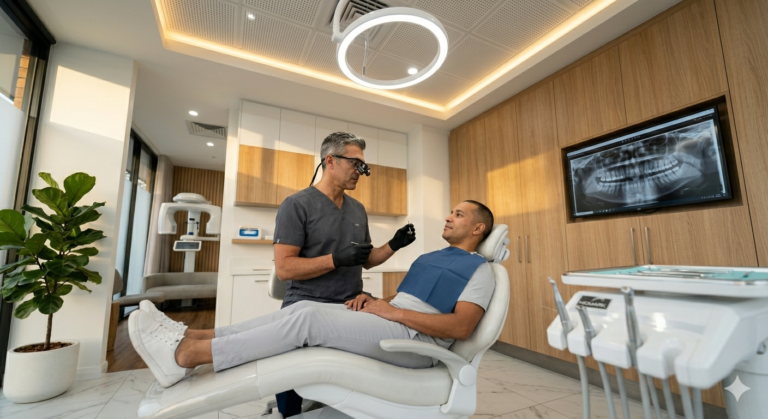
Cosmetic Dentistry Options Lancaster CA: Modern, Comfortable Smile Solutions and Care Guidance
Thinking about cosmetic dentistry in Lancaster CA can feel overwhelming, but you can quickly see which options match your goals and budget. You can improve tooth color, shape, alignment, or replace missing teeth with treatments ranging from whitening and veneers to implants and clear aligners—many local practices offer personalized plans and modern, comfortable care.
A warm, local dental team will guide you through what each procedure involves, expected results, recovery time, and cost so you can choose what fits your lifestyle. Expect clear explanations about benefits, risks, and maintenance, plus practical tips for keeping results long-term.
Understanding Cosmetic Dentistry in Lancaster
Cosmetic dentistry focuses on improving the appearance of teeth, gums, and the smile while often enhancing function. It combines aesthetic goals with practical care, so patients in Lancaster can expect treatments that look natural and feel comfortable.
Common procedures include teeth whitening, veneers, bonding, crowns, and clear aligners. Each option suits different issues — stains, chips, gaps, or misalignment — and a dentist will tailor a plan to the patient’s goals and oral health needs.
Many practices in Lancaster use modern digital tools like intraoral scanners and shade-matching systems. These technologies speed planning, improve accuracy, and help patients see predicted results before treatment begins.
Costs and timelines vary by procedure; whitening can take a single visit, while veneers or crowns may require multiple appointments. Insurance coverage depends on whether treatment is deemed cosmetic or restorative, so verification ahead of time helps avoid surprises.
Patients often worry about discomfort and longevity. Dentists typically prioritize patient comfort with local anesthesia, sedation options, and enamel-conserving techniques. Proper maintenance — nightly brushing, flossing, and routine check-ups — increases the lifespan of cosmetic work.
Common questions patients ask include: Which option suits my smile? How long will results last? What are the risks? A consultation provides personalized answers and clear next steps.
Benefits of Enhancing Your Smile
Enhancing a smile can lift confidence, reduce oral health risks, and shape how others respond in social and professional settings. Small, targeted treatments often produce noticeable changes in appearance and function without extensive dental work.
Boosting Self-Confidence
Cosmetic improvements like teeth whitening, porcelain veneers, and clear aligners address the most visible concerns: discoloration, chips, gaps, and misalignment. When a patient corrects a yellowed smile with in-office whitening or covers a chipped front tooth with a veneer, they often report feeling more willing to smile in photos and speak in meetings.
Restored teeth can reduce self-conscious behaviors such as covering the mouth or avoiding close conversation. That behavioral change tends to improve social interactions and can influence professional opportunities where appearance and communication matter. Many patients say they feel more comfortable attending events and pursuing new relationships after treatment.
Improving Oral Health
Cosmetic dentistry often overlaps with restorative and preventive care. For example, replacing old fillings with tooth-colored restorations or placing crowns on cracked teeth restores structure and reduces decay risk. Aligning teeth with clear aligners makes cleaning easier, lowering the chance of gum disease and cavities.
Patients who address worn or uneven teeth also improve bite function, which reduces abnormal wear and jaw strain. Routine follow-up and hygienic maintenance after cosmetic procedures help sustain these health benefits long-term. Dentists typically combine esthetic work with exams and cleanings to protect both appearance and oral health.
Enhancing First Impressions
A well-maintained smile conveys professionalism, attention to detail, and approachability in both social and business settings. Studies and workplace surveys link a confident smile to perceived competence and trustworthiness. Patients seeking cosmetic treatments often cite job interviews, client meetings, and dating as motivations.
Specific interventions—like evening out spacing with veneers or straightening teeth before a high-stakes event—offer fast, visible results. Investing in a brighter, straighter smile can change how others interact with a person within weeks, not years. Dentists work with patients to match the desired look to facial features and vocal considerations for natural, appropriate results.
Popular Smile Makeover Treatments
This section outlines practical, commonly chosen treatments for improving tooth color, shape, and small defects. Each option lists how it works, who benefits, typical duration, and aftercare considerations.
Teeth Whitening Options
In-office bleaching uses a higher-concentration peroxide gel applied by a clinician and often activated with a light. It produces noticeable whitening in one visit (usually 45–90 minutes) and suits patients with surface and some intrinsic stains from coffee, wine, or smoking.
Take-home kits from the dentist use custom trays and lower-concentration gel for daily use over 1–2 weeks. They offer controlled, gradual results and are safer for people with sensitivity because the trays fit precisely and reduce gum exposure.
Over-the-counter whiteners (strips, toothpaste, rinses) remove surface stains but are less effective on deeper discoloration. Patients with crowns, bridges, or dental restorations should consult a dentist, since whitening won’t change those materials’ color.
Side effects include transient sensitivity and gum irritation; desensitizing toothpaste and spacing treatments can help. Maintenance: avoid staining foods and touch up with periodic at-home gel or in-office boosters.
Porcelain Veneers Explained
Porcelain veneers are thin ceramic shells bonded to the front of teeth to correct shape, size, and color. They work well for chipped teeth, gaps under 2–3 mm, worn edges, and teeth that don’t respond to whitening.
The typical process takes two to three visits: consultation and smile design, tooth preparation and impressions, then final bonding. Veneers require removal of a small amount of enamel (usually 0.3–0.7 mm) to fit naturally and allow for proper bonding strength.
Porcelain matches natural translucency and resists staining better than composite. Veneers last 10–15 years with good hygiene, no biting hard objects, and regular dental checkups.
Potential drawbacks include irreversible enamel removal and higher cost compared with bonding. Patients with active decay, gum disease, or bruxism may need treatment or a protective nightguard before veneers.
Dental Bonding Techniques
Dental bonding uses tooth-colored composite resin applied directly to the tooth to repair chips, close small gaps, or reshape edges. It is conservative and typically completed in one visit lasting 30–60 minutes per tooth.
The clinician roughens the tooth surface, applies an adhesive, sculpts the composite, then cures it with a light and polishes to blend with natural enamel. Bonding suits patients seeking a quick, affordable cosmetic fix without enamel removal.
Composite is less stain-resistant and less durable than porcelain; expect 4–7 years of service with normal wear. Avoid biting hard items, and reduce coffee, tea, or tobacco to limit staining.
Repair or replacement is possible if the bonded area chips or discolors. Dentists often recommend polishing at regular cleanings and a protective nightguard for patients who grind their teeth.
Modern Solutions for Missing Teeth
Modern choices restore function, appearance, and confidence with predictable timelines and clear maintenance needs. Options range from permanent replacements that act like natural teeth to removable solutions that prioritize comfort and cost-effectiveness.
Dental Implants Overview
Dental implants replace missing teeth with a titanium post surgically placed into the jawbone, a healing period for osseointegration, and a custom crown attached to an abutment. Implants preserve nearby tooth structure, prevent bone loss, and typically last decades with good oral hygiene and regular dental visits.
Candidates need adequate bone and overall health; if bone is insufficient, bone grafting or sinus lifts can prepare the site. The process usually involves 3–6 months from placement to final crown, though same-day provisional crowns may be possible in select cases. Costs vary by number of implants, grafting needs, and materials; many practices offer financing and phased treatment plans.
Benefits include high chewing efficiency, no adhesives, and ease of cleaning—patients brush and floss around the implant crown like a natural tooth. Potential risks are infection, implant failure, or nerve injury, but careful planning with CBCT imaging and experienced surgeons reduces these risks significantly.
Natural-Looking Bridges
Fixed bridges replace one or several adjacent missing teeth by anchoring artificial teeth (pontics) to crowns placed on neighboring natural teeth or implants. Traditional bridges require preparing the adjacent teeth, while implant-supported bridges avoid altering healthy teeth and provide better long-term bone support.
Materials include porcelain-fused-to-metal, all-ceramic, and zirconia; zirconia offers strength and lifelike translucency for front-to-back restorations. The typical workflow spans two to four weeks: tooth preparation, impressions or digital scans, a temporary bridge, and final cementation when fit and color match are confirmed.
Maintenance involves routine brushing, flossing under the pontic with floss threaders or interdental brushes, and twice-yearly dental checkups. Bridges offer predictable appearance and function but may need replacement every 10–15 years depending on wear, gum health, and decay of abutment teeth.
Comfortable Denture Alternatives
Dentures remain a cost-effective solution and come in several modern forms: traditional removable dentures, implant-retained overdentures, and immediate (same-day) dentures. Implant-retained overdentures clip or snap onto two to four implants, improving stability, chewing ability, and bone preservation compared with conventional dentures.
Immediate dentures provide an interim prosthesis placed the same day teeth are extracted, offering aesthetic continuity while swelling resolves and tissues heal. Over time, relining or remaking the denture accommodates changes in the jaw ridge for a secure fit. Materials and digital workflows now allow lighter, more natural-looking acrylics and precise tissue adaptation.
Patients should clean dentures daily, soak them overnight, and maintain regular exams to monitor fit and oral tissues. Denture options suit different budgets and goals; discussing lifestyle, eating habits, and budget with the dentist helps select the most comfortable, practical solution.
Advanced Tooth Alignment Choices
Patients will find two primary modern options for straightening teeth that balance aesthetics, comfort, and treatment time. Each choice offers distinct visibility, maintenance, and suitability for specific alignment issues.
Clear Aligners
Clear aligners use a series of removable, BPA-free plastic trays that gradually shift teeth. They are nearly invisible in everyday settings, making them popular for adults who prefer a discreet option.
Treatment begins with digital scans and a customized plan showing step-by-step tooth movements. Patients typically wear aligners 20–22 hours daily and switch trays every 1–2 weeks. Aligners work well for mild to moderate crowding, spacing, and certain bite concerns, though severe rotations or large vertical movements may require traditional braces or attachments.
Benefits include easier oral hygiene (remove for brushing and flossing), fewer emergency visits for broken wires, and often shorter appointments. Downsides include the need for strict wear compliance and occasional attachment bumps on tooth surfaces to aid movements. Local Lancaster CA clinics often combine aligners with whitening or retainers to maintain long-term results.
Tooth-Colored Braces
Tooth-colored braces use ceramic or composite brackets bonded to teeth and linked by wires, providing the control of traditional braces with improved aesthetics. They appear less noticeable than metal braces while still allowing precise, multi-directional tooth movement.
Ceramic brackets resist staining but require gentle care to avoid chipping; wires may be metal or tooth-colored to enhance discretion. These braces handle moderate to complex alignment and bite corrections that clear aligners cannot always correct. Appointments typically involve regular wire adjustments every 4–8 weeks.
Patients should expect slightly longer treatment or more careful eating habits compared with metal braces, since ceramic material is more brittle. Dentists in Lancaster recommend them when appearance matters but comprehensive force control remains necessary.
Customizing Your Treatment Plan
Treatment plans align with a patient’s goals, oral health, budget, and lifestyle. They balance immediate cosmetic needs with long-term function and comfort.
Factors to Consider
The dentist evaluates tooth alignment, enamel wear, gum health, bite (occlusion), and existing restorations to determine suitable options. For example, significant enamel loss may rule out bonding alone and favor porcelain veneers or crowns for durability.
Medical history and habits—bruxism, smoking, acidic diet—affect material choice and the need for protective measures like nightguards. Budget constraints guide sequencing: whitening and bonding can be lower-cost short-term fixes, while veneers or implants represent higher-cost, longer-lasting investments.
Timing and maintenance matter. Treatments that change bite or tooth shape may require phased care with temporary restorations and follow-up adjustments. Longevity expectations, warranty details, and estimated chair time for each option get discussed so the patient can weigh trade-offs clearly.
Personalized Consultations
The consultation begins with digital photos, intraoral scans, and often panoramic X-rays to map existing structure and plan restorations precisely. This data helps simulate outcomes—shade, tooth length, and smile arc—so the patient sees likely results before treatment starts.
The dentist reviews alternatives, explains step-by-step procedures, and outlines anesthesia or sedation options to ensure comfort. They provide a written estimate and a timeline, noting which steps are reversible (whitening) and which are permanent (enamel reduction for veneers).
A customized maintenance plan follows treatment, specifying home care, professional cleanings, and timelines for checkups or adjustments. The team encourages questions and schedules a follow-up to confirm fit, function, and satisfaction, keeping the patient involved at every decision point.
Caring for Your New Smile
Proper daily care and regular professional checks keep restorations looking natural and functioning well. Focus on gentle cleaning, avoiding damaging habits, and attending scheduled dental visits to protect investment and oral health.
At-Home Maintenance
Patients should brush twice daily with a soft-bristled brush and fluoride toothpaste, using gentle circular motions to protect enamel, veneers, and bonded areas. Floss once daily; threaders or interdental brushes work best for bridges, implants, and tight contacts.
Avoid abrasive whitening pastes and hard scrubs that can dull porcelain or scratch composites. Minimize staining foods and drinks—coffee, red wine, and dark berries—and rinse or brush within 30 minutes after consumption. Use a straw for beverages when possible to reduce contact with anterior veneers.
For night grinders, a custom occlusal guard fitted by the dentist prevents fractures and wear on crowns, veneers, and implants. Stop using teeth as tools (opening packages, biting nails) to avoid chipping. If any sensitivity, looseness, or discoloration appears, call the dental office promptly for evaluation.
Professional Follow-Ups
Schedule a hygiene visit every 3–6 months as recommended by the dentist; more frequent cleanings may be necessary for periodontal history or heavy staining. Hygienists remove calculus and surface stains with instruments and polishing tailored to restorations, preserving margins and contours.
Plan a restorative check at least once a year to assess crowns, veneers, implants, and bonds for fit, wear, or cement breakdown. The dentist will take bite records, radiographs for implants or margins, and photos when needed to document changes and prevent small issues from becoming repairs.
Ask the dentist about professional whitening touch-ups for natural teeth adjacent to restorations and about repair options if a veneer chips or a crown loosens. Keep contact information handy and report any sharp edges, persistent pain, or changes in bite immediately.
Choosing a Trusted Lancaster Dentist
Patients should look for a dentist with clear credentials and experience in cosmetic dentistry. Check for board certification, continuing education, and a track record of the specific procedures they need.
Reviews and before‑and‑after photos reveal practical results and patient satisfaction. Focus on recent feedback that mentions comfort, communication, and the clinic’s follow‑up care.
A comfortable office environment matters for anxiety and treatment success. Ask about sedation options, patient amenities, and how staff explain costs and timelines.
Transparent pricing and financing options prevent surprises. Request an itemized estimate, insurance guidance, and payment plans when discussing treatment.
Communication style indicates how well the dentist will partner with the patient. They should explain benefits, risks, and alternatives in plain language and invite questions.
Use this quick checklist when evaluating practices:
- Licensing and certifications verified
- Before‑and‑after gallery available
- Patient reviews mentioning comfort and outcomes
- Clear cost estimates and financing
- Open, patient‑centered communication
Patients in Lancaster benefit from scheduling a consultation to compare providers and feel the office atmosphere firsthand. Encourage scheduling a visit to discuss goals, review options, and decide on next steps.
Taking the Next Step Toward a Confident Smile
Patients often feel uncertain about where to begin, and a clear first step reduces that worry. A consultation with a local cosmetic dentist in Lancaster, CA, helps identify priorities and creates a personalized plan.
The dentist will review medical and dental history, perform an exam, and discuss cosmetic goals. They may use digital photos, X-rays, or mock-ups so patients can visualize expected outcomes.
Treatment options, timeline, and costs get explained in plain terms. Common choices include teeth whitening, veneers, bonding, crowns, and orthodontic alternatives like clear aligners.
Comfort and safety matter throughout the process. Practices typically offer modern anesthesia options, sedation when needed, and gentle techniques to minimize discomfort.
Patients should check qualifications, before-and-after photos, and patient reviews. They can also ask about payment plans, insurance compatibility, and any maintenance requirements for chosen treatments.
A simple checklist helps prepare for the visit:
- List cosmetic goals and questions.
- Bring medical and dental history.
- Note current medications and allergies.
- Prepare photos of the smile they hope to achieve.
If they want a confident, natural-looking result, scheduling a consultation starts the journey. Encourage them to call or book online to discuss options, costs, and the best path forward.
Frequently Asked Questions
This section answers practical concerns about whitening, chips, alignment, longevity, and what happens during a consultation. It focuses on treatment details, timeframes, and what patients in Lancaster, CA can expect from modern cosmetic dentistry.
What cosmetic dental treatments can brighten and improve the look of my smile?
Professional teeth whitening in the office lightens enamel stains quickly, often delivering several shades of improvement in a single visit. Take-home trays provide gradual, controlled whitening over one to two weeks for sensitive patients.
Porcelain veneers cover the front of teeth to change shape, color, and minor alignment; they work well for severe discoloration or uneven tooth anatomy. Dental bonding uses tooth-colored composite to repair chips or gaps with a conservative, same-day approach.
Dental crowns restore heavily damaged teeth and improve appearance when veneers aren’t suitable. Clear aligners and orthodontic treatment straighten teeth, which often makes whitening and bonded or veneered restorations look more natural.
How do I know whether veneers or dental bonding is the better choice for chipped or uneven teeth?
Veneers suit patients who want a long-term, stain-resistant change in color and shape and who may need larger shape corrections. They require removing a thin layer of enamel and usually two appointments.
Bonding fits patients who want a lower-cost, minimally invasive fix for small chips, gaps, or slight shape issues. It typically lasts 4–7 years and can be repaired or replaced more easily than veneers.
A cosmetic dentist will assess bite, enamel thickness, and aesthetic goals during a consult to recommend the option that balances durability, cost, and tooth preservation.
What’s the difference between professional teeth whitening in the office and take-home whitening trays?
In-office whitening uses stronger peroxide gels and sometimes light activation to speed results, typically finishing in 60–90 minutes. It’s ideal for patients seeking fast, predictable whitening.
Take-home trays use custom-made trays and lower-concentration gel that patients wear for a prescribed time each day, usually over 1–2 weeks. This approach reduces sensitivity and allows gradual shade control.
Both methods start with an exam to check for cavities, gum disease, or restorations that might impact results.
Can clear aligners straighten my teeth without braces, and what does the process feel like?
Clear aligners move teeth with a series of removable, transparent trays worn about 20–22 hours per day. Most patients describe mild pressure or soreness for 1–3 days when switching to a new tray, then normal comfort returns.
Treatment time varies by complexity but commonly lasts 6–18 months for cosmetic cases in Lancaster. Aligners allow easier oral hygiene and fewer office visits than fixed braces.
The dentist or orthodontist monitors progress with periodic check-ins and may use attachments or refinements to achieve the final alignment.
How long do common cosmetic dental treatments last, and what kind of upkeep should I expect?
Teeth whitening results typically last 6 months to 3 years depending on diet, smoking, and oral hygiene; periodic touch-ups extend results. Bonding lasts about 4–7 years and may need polishing or repair after wear or staining.
Porcelain veneers often last 10–15 years with proper care; crowns can last 10–20 years depending on material and function. Clear aligner treatment is permanent only if patients use retainers as directed to prevent relapse.
Maintain restorations with regular dental exams, daily brushing and flossing, avoiding hard foods on bonded areas, and using a nightguard if grinding occurs.
What can I expect during a cosmetic dentistry consultation, and how do we plan a smile makeover together?
The consult begins with a review of medical and dental history, intraoral photos, X-rays, and a bite evaluation to identify functional issues. The dentist discusses aesthetic goals, shows visual examples, and proposes treatment options with timelines and cost estimates.
Many practices offer digital mock-ups or temporary restorations to preview outcomes before irreversible work begins. The team builds a personalized plan prioritizing oral health, comfort, and realistic results, and they invite questions to ensure the patient feels informed and confident about next steps.
Related Articles