
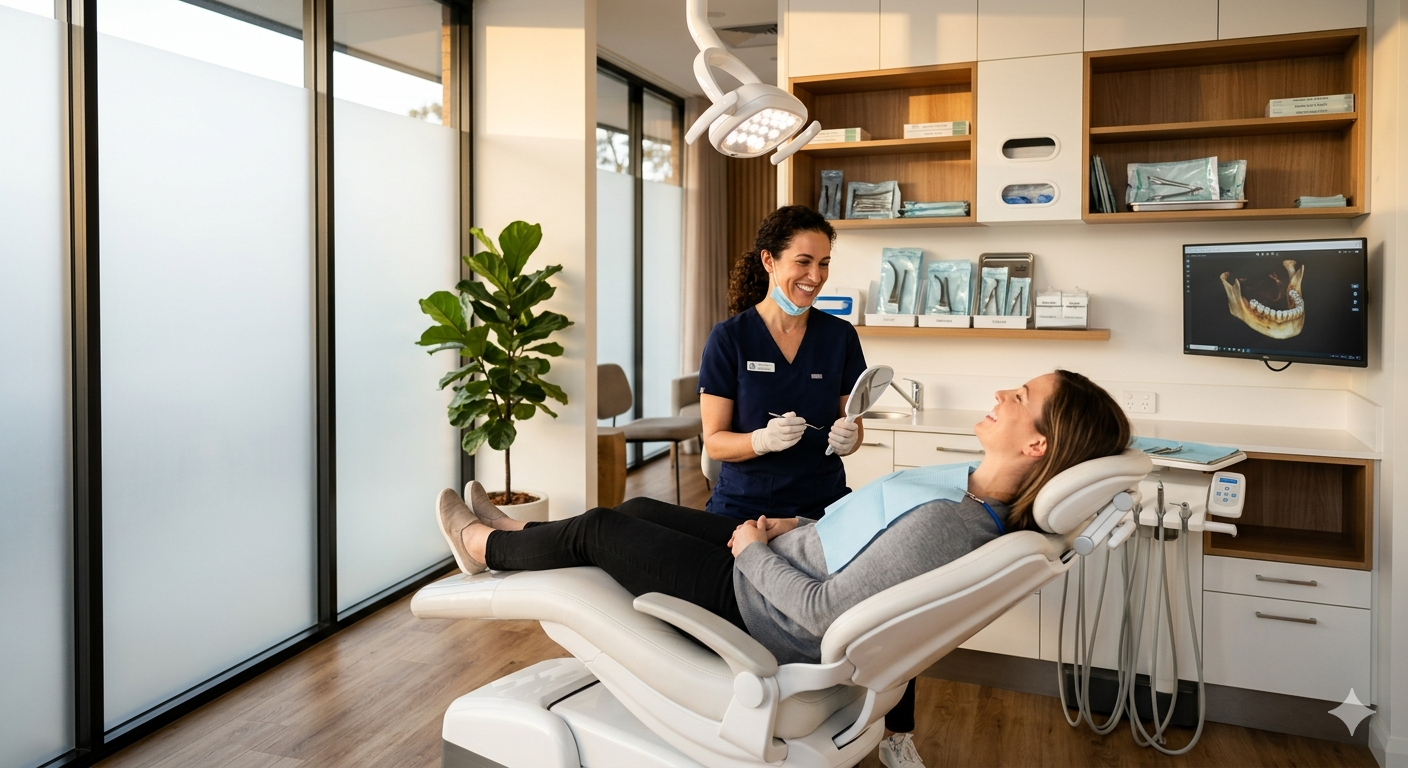
When a dental emergency strikes in Lancaster, CA, knowing where to turn can make all the difference. Whether it’s a sudden toothache, a knocked-out tooth, or a broken crown, immediate care is crucial to prevent further damage and relieve pain. An emergency dentist in Lancaster, CA, provides prompt, skilled treatment tailored to urgent dental issues to help patients regain comfort quickly.
Many local dentists offer flexible hours and same-day appointments for emergencies, ensuring that patients are never left waiting in distress. These professionals focus on gentle, effective care using modern techniques to handle a wide range of urgent problems while prioritizing patient comfort.
Understanding when and how to seek emergency dental care helps reduce anxiety and avoid complications. Reaching out to a trusted emergency dentist early can save time, money, and stress, making it easier to restore a healthy smile with confidence.
What Is an Emergency Dentist in Lancaster CA?
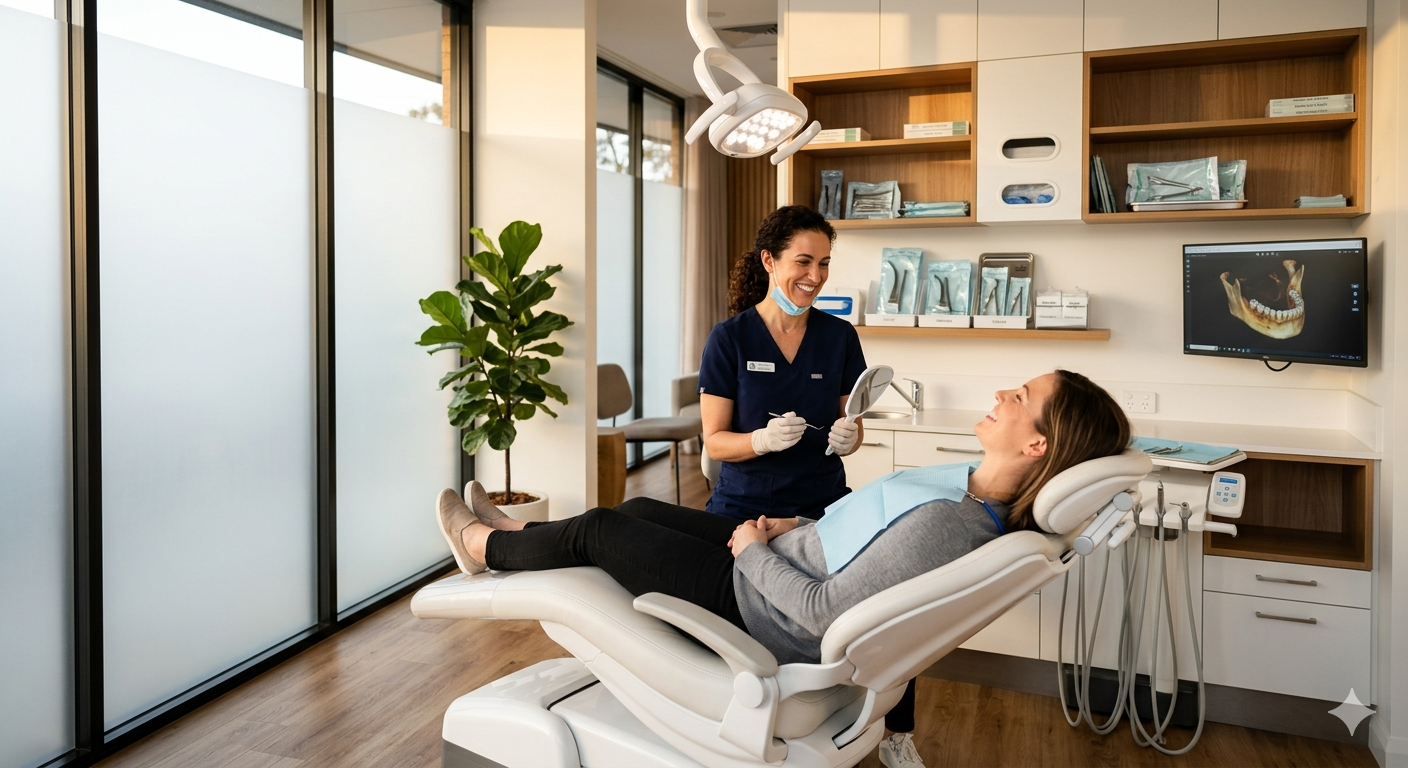
An emergency dentist in Lancaster, CA, specializes in urgent dental care that addresses pain, injury, or sudden issues needing prompt treatment. Their goal is to relieve discomfort quickly and prevent complications from worsening.
When to Seek Emergency Dental Care
People should seek emergency dental care when experiencing severe tooth pain that doesn’t respond to over-the-counter painkillers. Sudden injuries like knocked-out teeth, broken crowns, or lost fillings also require immediate attention.
Other signs include swelling around the face or jaw, uncontrollable bleeding, and infections that cause fever or spreading redness. Delaying care in these situations can lead to more complex problems or permanent damage.
If someone has bitten their tongue, lip, or mouth severely, an emergency dentist can provide quick treatment to reduce pain and prevent infection. Emergencies often happen outside regular office hours, so many Lancaster dentists offer after-hours or weekend care.
Types of Dental Emergencies
Common emergencies in Lancaster include tooth fractures, especially when sharp edges injure soft tissues. A knocked-out tooth, known as avulsion, demands fast action to save the tooth.
Severe toothaches often signal underlying issues like abscesses or infections. These require antibiotics, drainage, or root canal therapy to stop pain and protect oral health.
Lost restorations such as crowns or fillings expose nerves and increase sensitivity, making prompt repairs important. Soft tissue injuries—cuts inside the mouth or on the gums—are also treated promptly to minimize discomfort and prevent infection.
Immediate Steps for Dental Emergencies
Knowing how to act quickly can prevent further damage and relieve pain during a dental emergency. Immediate care involves simple measures you can take at home before getting professional help.
What To Do if You Have a Toothache
When a toothache occurs, rinse the mouth gently with warm water to clear any food debris. Avoid very hot, cold, or sugary drinks that could worsen the pain. Using dental floss to remove stuck particles near the painful area often helps.
Applying a cold compress outside the cheek can reduce swelling and numb the pain. Over-the-counter pain relievers like ibuprofen are effective but should be used as directed. Avoid placing aspirin directly on the gums to prevent burns.
If the pain is severe, persistent, or accompanied by fever or swelling, seek emergency dental care promptly to prevent infection or complications.
Handling Knocked-Out or Broken Teeth
For a knocked-out tooth, find the tooth and rinse it gently with water. Do not scrub or remove any attached tissue. If possible, try to place the tooth back into the socket within 30 minutes for the best chance of saving it.
If re-implantation is not possible, store the tooth in milk, saline, or inside the cheek to keep it moist. Avoid storing it dry or in water.
For a broken tooth, save any fragments and rinse the mouth with warm water. Applying a cold compress may help reduce swelling. Avoid chewing on the damaged side to prevent further injury.
In all cases, contact an emergency dentist immediately to increase the chances of successful treatment and pain control.
How Emergency Dentists Diagnose and Treat Issues
Emergency dentists begin by carefully assessing the patient’s symptoms and examining the affected area. They prioritize identifying the source of pain or injury quickly to provide immediate relief and prevent complications.
This process often includes diagnostic tools like X-rays and physical examinations, helping pinpoint fractures, infections, or other dental problems.
Pain Relief and Temporary Solutions
Pain management is the first goal in emergency dental care. Dentists use local anesthesia to numb the area, reducing sharp pain instantly. If swelling is present, they might recommend ice packs or prescribe anti-inflammatory medication.
For cracked or chipped teeth, temporary bonding or dental cement may protect the tooth until a permanent fix. In cases of knocked-out teeth, quick repositioning and stabilization are essential to improve the chance of saving the tooth.
Emergency dentists may also offer advice on home care, such as recommending saltwater rinses or avoiding certain foods to minimize discomfort until a full treatment can be done.
Advanced Treatment Options Available
Once pain is controlled, emergency dentists assess long-term solutions based on the severity of the issue. Root canal therapy is common for infected or damaged nerves to save a tooth from extraction.
For badly broken or lost teeth, crowns, bridges, or dental implants may be scheduled to restore function and appearance. Infections might require antibiotics alongside drainage procedures to clear abscesses.
Some cases involve orthodontic adjustments or surgical interventions if trauma has affected the jaw alignment. The focus remains on restoring oral health while ensuring the patient’s comfort throughout treatment.
Patients are encouraged to follow up with their dentist promptly to complete the necessary restorative care and prevent future emergencies.
Choosing the Right Emergency Dentist in Lancaster CA
Finding a reliable emergency dentist means considering practical factors like availability, services offered, and patient comfort. It also requires understanding how professional experience and modern equipment can make treatment faster and less stressful when sudden dental problems arise.
What to Look for in an Emergency Dental Practice
Availability is crucial. The practice should offer extended hours, weekend appointments, or same-day visits to accommodate urgent needs. Look for dentists who clearly state their emergency services on their website or phone line.
Location matters, too. Choosing a dentist close to home or work can reduce stress and travel time during an emergency. Reviews and patient testimonials often highlight responsiveness, staff friendliness, and overall care quality.
Ask if they accept dental insurance or offer flexible payment plans—unexpected costs shouldn’t add to your worry. Additionally, the office environment should feel welcoming and clean, helping patients feel comfortable during an already stressful visit.
Why Experience and Technology Matter
An experienced emergency dentist knows how to quickly diagnose and treat a variety of urgent dental issues, from severe toothaches to knocked-out teeth. Years of practice improve their ability to manage pain and avoid complications.
Advanced technology also plays a key role. Digital X-rays and laser dentistry enable faster, more precise treatments with less discomfort. Some dentists use CAD/CAM systems for swift crown repairs, which can save time when emergencies strike.
Experience combined with modern tools means fewer visits, quicker recoveries, and a smoother overall experience. Patients feel reassured knowing their dentist uses current techniques and equipment tailored to emergency care.
The Importance of Prompt Emergency Dental Care
Quick action when dental emergencies happen can reduce pain, prevent complications, and improve healing. Understanding the risks of waiting and the benefits of early treatment helps patients take the right steps fast.
Risks of Delaying Treatment
Delaying emergency dental care may lead to worsening pain and infection. For example, a knocked-out tooth left untreated longer than an hour has a much lower chance of being saved.
Infections from untreated dental injuries can spread to other areas, sometimes causing serious health problems. Swelling, fever, and persistent pain signal that immediate care is essential.
Ignoring issues like broken teeth or severe toothaches may also damage nearby teeth or gums. Early intervention limits these risks and can avoid more invasive treatments later.
How Early Care Supports Recovery
Prompt treatment helps control pain quickly and improves the chances of saving damaged teeth. Dentists can stabilize injuries and address infections before they spread.
By treating injuries early, healing tends to be faster and complications fewer. Patients often experience less discomfort and reduce the need for extensive dental work.
Emergency dentists also provide advice on aftercare and preventive steps to protect oral health following treatment. This support makes recovery smoother and builds a foundation for long-term dental wellness.
Modern Comfort and Patient Support
Lancaster emergency dentists focus on making visits as comfortable and stress-free as possible. They use advanced tools and personalized care to ease pain and keep patients informed throughout their treatment.
Gentle Techniques for Pain-Free Visits
Dentists use numbing gels and local anesthesia to prevent pain during procedures. Many offices now offer sedation options like nitrous oxide or oral sedatives for patients with dental anxiety. These methods allow patients to relax while receiving prompt care.
Minimally invasive tools, such as laser dentistry and precise instruments, reduce tissue damage and speed up healing. This approach means less swelling, bleeding, and discomfort after treatment. Dentists also take time to explain each step, helping patients feel in control and calm.
Patient Communication and Ease
Clear communication starts before the appointment. Receptionists and dental teams explain emergency protocols, insurance details, and treatment options upfront. This helps patients prepare without surprises.
During visits, dentists use plain language to describe diagnoses and procedures. They encourage questions and address any fears honestly. Visual aids like models or X-rays often assist in explaining complex issues.
Many Lancaster emergency clinics offer flexible scheduling and follow-up calls to check on recovery. This ongoing support reassures patients they’re not alone after treatment, which fosters trust and reduces stress.
Preventing Dental Emergencies
Maintaining good oral health and regular dental visits are key to avoiding unexpected dental problems. Simple daily routines and timely check-ups reduce the risk of painful or urgent issues requiring emergency care.
Everyday Habits That Help
Brushing twice a day with fluoride toothpaste removes plaque and strengthens enamel, minimizing cavities and cracks. Flossing daily clears debris between teeth, preventing gum inflammation and infection. Avoiding hard or sticky foods lowers chances of chipping or breaking teeth.
Wearing a mouthguard during sports protects teeth from trauma. Limiting sugary snacks and drinks reduces acid attacks that weaken enamel. Staying hydrated promotes saliva flow, which naturally cleans the mouth and balances bacteria.
Small lifestyle choices like quitting smoking can improve healing and reduce gum disease risk. Together, these habits create a strong defense against common causes of dental emergencies.
When to Schedule Regular Check-Ups
Dentists recommend check-ups every six months, but some patients may need more frequent visits due to conditions like gum disease or dental work. Regular exams allow early detection of issues such as cavities, fractures, or infections before they turn urgent.
Professional cleanings remove tartar buildup that home care can’t reach, preventing decay and gum problems. X-rays help spot hidden concerns, guiding prompt treatment plans.
Promptly scheduling appointments when pain, swelling, or sensitivity arise can stop minor issues from escalating. Following the dentist’s advice on visit frequency and care routines supports lasting oral health and reduces emergency visits.
Next Steps: Getting Emergency Dental Help in Lancaster CA
When an emergency strikes, the first step is to stay calm and assess the situation. If the issue is severe—like uncontrolled bleeding or a knocked-out tooth—calling an emergency dentist in Lancaster CA right away is crucial.
Many local dental offices offer same-day appointments or after-hours services. It’s wise to have their contact information saved before an emergency happens.
Here’s a simple checklist to follow:
- Call the dentist immediately: Explain the problem clearly.
- Follow their advice: They may guide you on pain management or first aid.
- Prepare your information: Have your dental history, insurance info, and ID ready.
Modern emergency dentists use advanced tools to provide quick, comfortable care. Whether it’s a chipped tooth or severe pain, the goal is to relieve discomfort and prevent further damage.
For less critical issues, scheduling a prompt visit can still make a big difference. Early treatment often means shorter recovery and fewer complications.
Encourage patients to ask questions about their treatment options and pain relief methods. This helps build trust and eases anxiety during stressful times.
If someone in Lancaster CA faces a dental emergency, reaching out promptly to a trusted local dentist is the best next step.
Frequently Asked Questions
Emergency dental care covers a range of urgent issues, from severe pain to accidents involving teeth. Knowing when to act quickly and what to expect can make a big difference in outcomes.
How do I know if my tooth pain is a true dental emergency or something that can wait until tomorrow?
Severe, sudden pain that worsens with time or swelling around the tooth often signals an emergency. Mild discomfort or sensitivity may wait until regular office hours.
If the pain keeps you awake, comes with fever, or spreads to your ear or jaw, it’s best to get immediate care.
What should I do right away if I chip, crack, or knock out a tooth?
Rinse your mouth gently with warm water to clean it. For a knocked-out tooth, keep it moist by placing it in milk or saliva and see a dentist within an hour.
Avoid biting down or chewing on the injured side until you get professional help.
Can an emergency dental visit help with a swollen face, gum abscess, or signs of infection?
Yes. Swelling and abscesses indicate infections that need prompt treatment. Dentists can drain abscesses, prescribe antibiotics, and relieve pain.
Delaying care can lead to more serious health issues, so quick attention is important.
Should I go to the ER or urgent care for a dental problem, and what can they actually do for tooth pain?
Emergency rooms can handle severe trauma or bleeding but usually don’t treat tooth pain itself. They may prescribe painkillers or antibiotics but won’t fix the tooth.
Visiting an emergency dentist is the best option for direct, effective dental treatment.
Do you offer same-day appointments, and what can I expect during an emergency exam and treatment?
Many emergency dentists in Lancaster offer same-day visits. The exam focuses on identifying the cause of pain or injury and creating a treatment plan.
Treatment might include pain relief, repairs, or extraction depending on the issue.
What payment options are available, and do you accept my insurance if I need urgent dental care?
Most emergency dental offices accept major insurance plans and offer flexible payment options. Some also provide financing or payment plans for unexpected costs.
Patients should check with the office ahead to confirm coverage and avoid surprises.